Introduction
Packaging is much more than just a protective cover—it’s a key element of brand identity. The right printing method can elevate a brand’s image, provide a premium unboxing experience, and communicate quality. For businesses, especially those in retail, e-commerce, and luxury goods, selecting the right printing method for custom packaging is essential.
At IU Package, we offer a range of printing technologies to meet the diverse needs of our clients. Whether you’re looking for vibrant colors, intricate designs, or special finishes, understanding the differences between printing methods like offset, digital, hot foil, and UV can help you choose the best solution for your product packaging.
In this guide, we will walk you through the different printing methods commonly used in custom packaging and help you understand when and why to use them.
1. Offset Printing: The Industry Standard
What is Offset Printing?
Offset printing (also known as lithography) is one of the most widely used printing methods in the packaging industry. It works by transferring ink from a plate to a rubber blanket, which then applies the ink to the printing surface (such as cardboard, paperboard, or other materials). This method is highly regarded for its ability to produce high-quality, consistent prints at scale.
Advantages of Offset Printing
High Quality: Offset printing produces crisp, clear, and vibrant prints with accurate color reproduction.
Cost-Effective for Large Volumes: While the setup costs for offset printing can be high, the cost per unit decreases significantly for larger print runs.
Versatility: Offset printing is suitable for a wide range of materials, including paperboard, corrugated cardboard, and kraft paper.
Best For:
Mass production of packaging, such as folding cartons, rigid boxes, and mailing boxes.
High-quality, full-color printing for consumer goods, beauty products, and electronics.
At IU Package, we use state-of-the-art Heidelberg offset printing machines, which ensure that your custom packaging looks exactly how you envisioned it, with precise color matching and consistency.
2. Digital Printing: Flexible and Efficient for Small Runs
What is Digital Printing?
Digital printing is a modern printing method that uses digital files (such as PDFs or image files) to print directly onto the packaging material. Unlike offset printing, which requires plates, digital printing is ideal for smaller production runs and offers quicker turnarounds.
Advantages of Digital Printing
No Plate Setup: Unlike offset printing, there’s no need for plates or press setup, making it more affordable for small orders.
Fast Turnaround: Digital printing is faster than offset, making it a great choice for businesses that need quick prototypes or have short deadlines.
Cost-Effective for Small Runs: Digital printing eliminates the need for expensive setup costs, making it ideal for businesses with limited budgets or for custom packaging with unique designs.
Customization: Allows for variable data printing, which means you can print different designs on each box or label (personalized packaging, promotional materials, etc.).
Best For:
Short-run packaging orders: Great for small businesses or startups that need custom packaging in lower quantities.
Packaging with unique designs, special editions, or personalized packaging for gifts, events, or limited edition products.
At IU Package, we offer high-quality digital printing services to help you create unique, eye-catching packaging without breaking the bank. Whether it’s a one-off design or a smaller batch, digital printing gives you the flexibility and speed you need.
3. Hot Foil Stamping: Add Luxury and Elegance
What is Hot Foil Stamping?
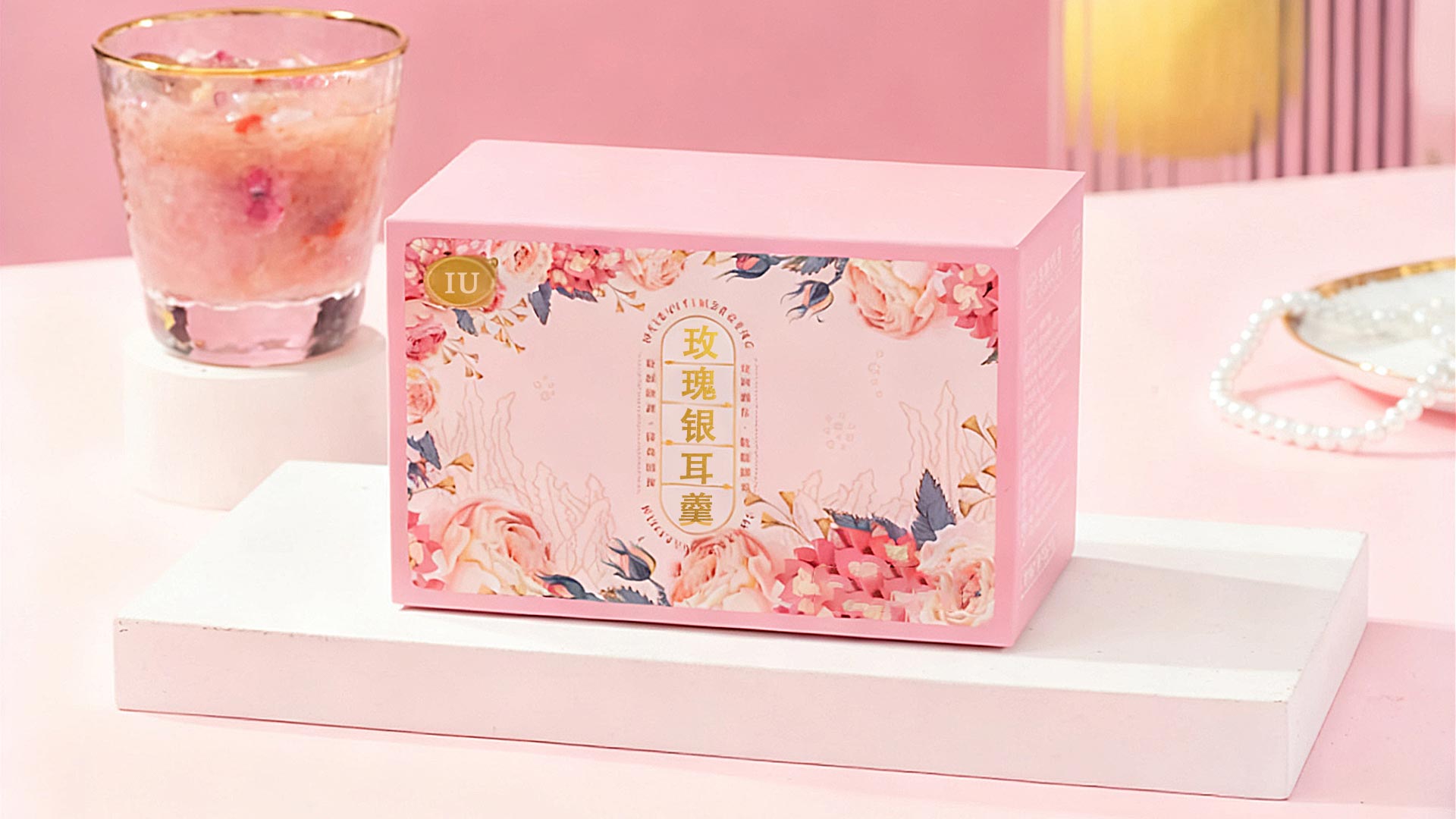
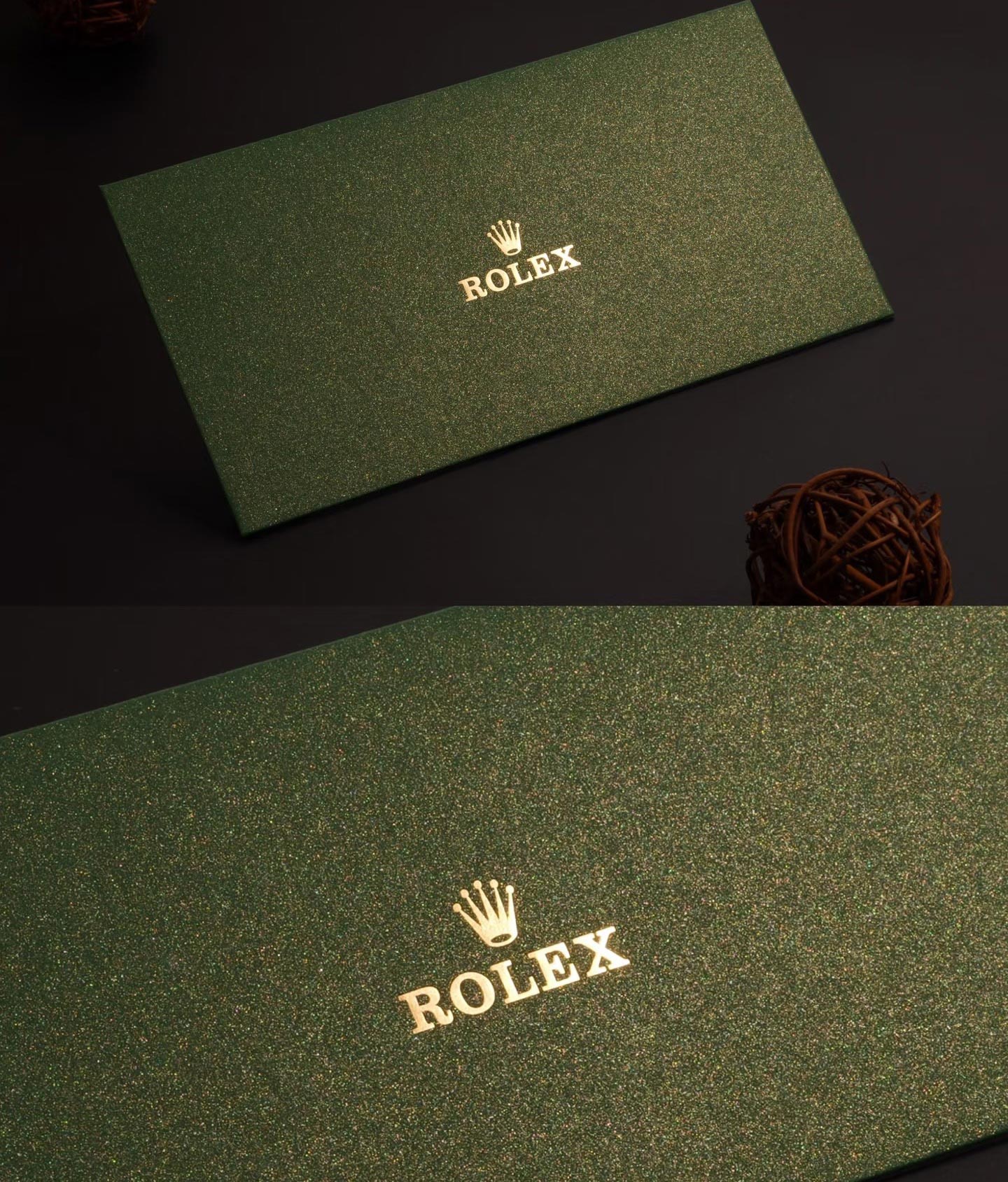
Hot foil stamping is a printing method that uses heat and pressure to apply metallic or pigmented foil onto a surface. The foil creates a shiny, reflective finish that gives packaging a luxurious look. This method is commonly used for adding high-end touches to packaging, such as logos, text, and intricate designs.
Advantages of Hot Foil Stamping
Premium Look: Hot foil stamping provides a shiny, metallic finish that enhances the perceived value of the product.
Variety of Foils: It can be done in a range of colors including gold, silver, rose gold, holographic, and matte finishes.
Highly Decorative: Perfect for adding attention-grabbing elements such as logos, brand names, and product highlights.
Best For:
Luxury products: Such as cosmetics, jewelry boxes, premium beverages, and gift packaging.
Brand logos and special promotional packaging where a distinctive, upscale look is desired.
At IU Package, we specialize in hot foil stamping that can elevate your packaging to a new level of sophistication. Whether you’re designing luxury boxes, high-end retail packaging, or gift packaging, our foil stamping solutions will make your product shine.
4. UV Coating: Add Durability and Protection
What is UV Coating?
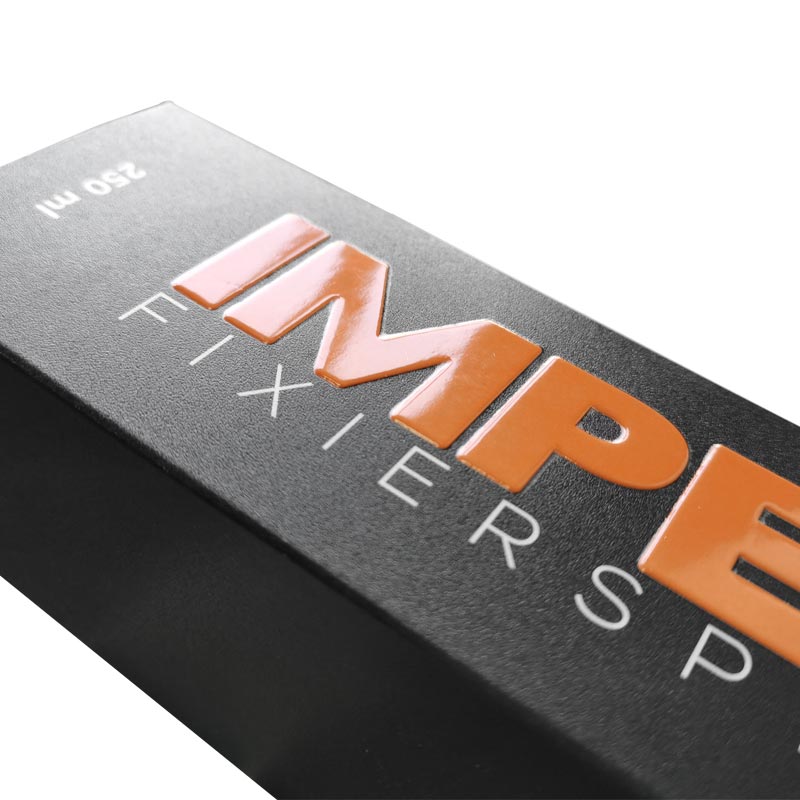
UV coating is a clear, glossy coating that is applied to packaging surfaces and cured using ultraviolet light. It’s often used to add an extra layer of protection, enhance visual appeal, and create tactile effects like spot gloss.
Advantages of UV Coating
Durability: UV coatings provide a durable, scratch-resistant finish that protects your packaging from dirt, smudges, and wear.
Shiny, Glossy Finish: Adds a high-gloss, reflective finish to your packaging, making colors pop and attracting more attention.
Spot UV: This allows for specific areas to have a gloss finish while the rest of the packaging has a matte finish. It’s perfect for creating contrast and highlighting key elements of the design, such as logos or product names.
Best For:
High-end retail packaging: cosmetic boxes, luxury packaging, and premium gift boxes.
Brand packaging where durability and an attractive finish are key priorities.
At IU Package, we use UV coating to offer both protective and aesthetic benefits. Our spot UV finishes add a unique touch to your packaging, making it stand out on shelves and creating a memorable unboxing experience for your customers.
Embossing Process

What is Hot Foil Embossing?
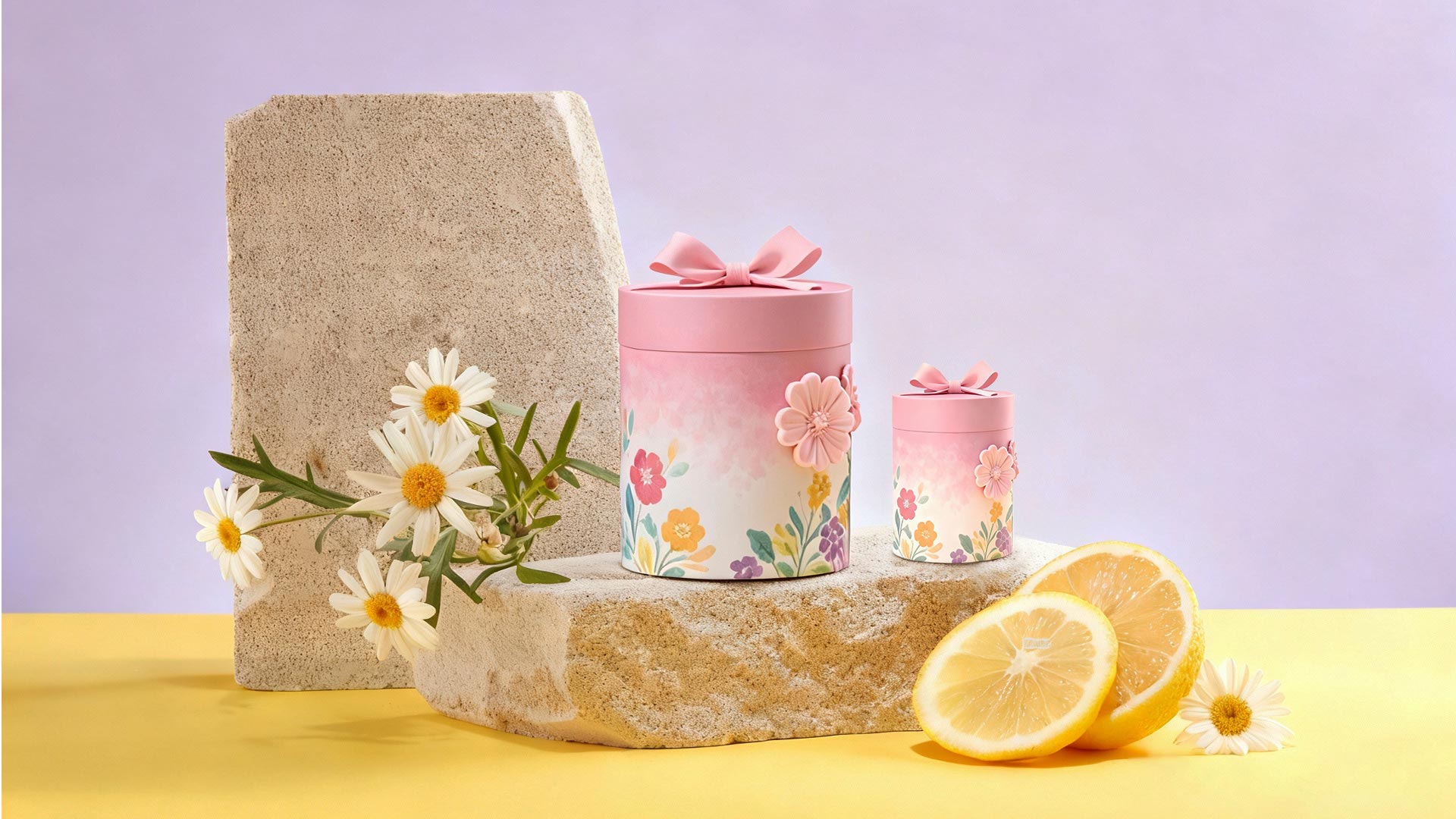
Embossing is a process that creates a raised design, text, or pattern on the surface of packaging material using pressure. It is commonly used in high-end packaging, brand promotion, and gift boxes, offering a sophisticated touch to the packaging design. Unlike flat printing, embossing adds a tactile dimension that engages the sense of touch, as well as the visual aspect, which helps elevate the product’s perceived value.
Types of Embossing
Raised Embossing
This is the most common type of embossing, where the design or text is pressed into the material to create a raised, three-dimensional effect. Raised embossing is often used for branding elements like logos or product names that need to stand out.
Debossing
In contrast to raised embossing, debossing involves pressing the design into the material, creating an indented or recessed effect. Although less obvious than raised embossing, it still delivers a refined and elegant look, making it ideal for minimalistic designs.
Holographic Embossing
A combination of embossing and holographic effects, holographic embossing uses heat and pressure to create a raised design with a reflective, holographic finish. This effect is typically used for luxury packaging and limited-edition products, adding both texture and a striking visual element.
Advantages of Embossing
Visual and Tactile Appeal: Embossing adds depth and texture to packaging, creating a memorable experience for consumers, both visually and through touch.
Enhanced Brand Perception: By using embossing, brands can differentiate their packaging in a crowded market. It is particularly useful for products that require a high level of detail to convey a sense of luxury or premium quality.
Durability: The embossed design is a permanent feature, ensuring that it remains intact and durable over time, which is ideal for packaging that needs to maintain its quality throughout handling and storage.
Common Applications
Luxury Packaging: Ideal for high-end products like cosmetics, jewelry, watches, and premium gifts.
Gift Packaging: Commonly used for customized gift boxes and seasonal packaging.
Brand Packaging: Embossing is also used to create a high-quality, premium look for products that need to stand out on retail shelves.
By using embossing, IU Package can add an extra layer of luxury and distinction to your packaging designs. Whether you’re looking to create elegant gift packaging or distinctive luxury boxes, we offer custom embossing solutions that make your brand shine. Contact us to learn more about how embossing can enhance your packaging design.
6. Choosing the Right Printing Method for Your Packaging
Selecting the correct printing method depends on several factors, including:
Production Volume: If you need large quantities, offset printing may be the most cost-effective choice. For smaller runs, digital printing is more affordable.
Brand Image: For luxury brands, hot foil stamping or UV coating may be the right choice to add a premium look and feel to the packaging.
Design Complexity: If your design includes intricate patterns or requires different finishes (like gloss and matte), consider UV coating or foil stamping for extra flair.
At IU Package, we offer a wide range of printing services tailored to fit your budget, brand needs, and timeline. Whether you’re producing hundreds or thousands of units, we provide high-quality packaging that enhances your product’s appeal.
Conclusion
Choosing the right printing method is critical for creating custom packaging that both protects your products and enhances your brand. Whether you need high-quality offset printing for large volumes, digital printing for smaller batches, luxurious foil stamping, or durable UV coatings, each method has its own advantages.
At IU Package, we specialize in providing custom packaging solutions that fit your exact needs. Our team of experts is here to help you make the best choice for your product packaging. Contact us today for a free consultation, and let us help you create the perfect packaging for your business.